
Ecuador · Site Receiving
Fiber Optic Cable Drum Receiving Checklist for Ecuador Projects
A site checklist to identify cable drums, inspect transport condition, quarantine discrepancies and release traceable lengths to Ecuador project routes.
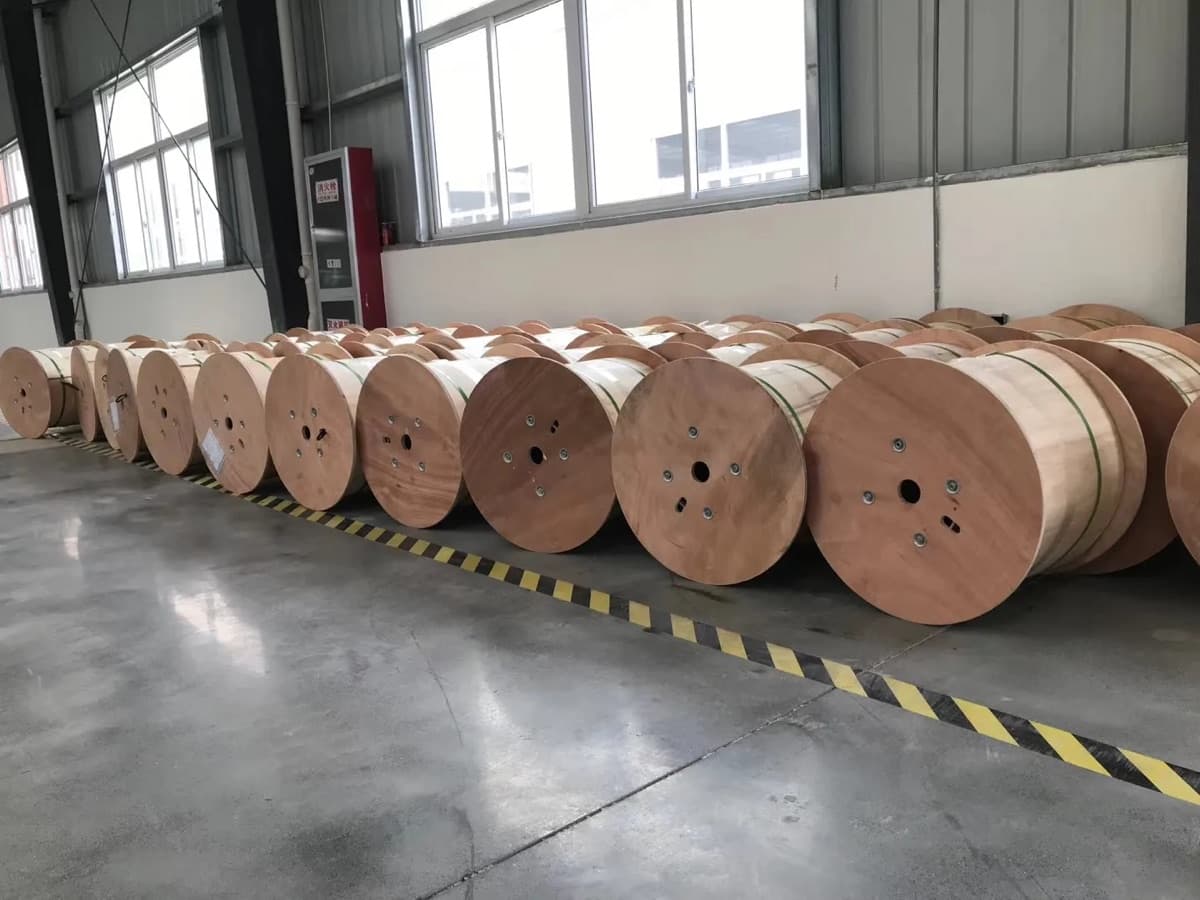
Direct answer: identify, inspect, quarantine and release
At arrival, match every drum to the purchase order and packing list, inspect transport condition before unloading, record labels and cable-end seals, and isolate any discrepancy. Only release a drum to a route section after the buyer's acceptance checks are complete. This keeps damage, length or identity questions out of the installation crew's workflow.
Plan the receiving area before the truck arrives
Confirm the delivery window, responsible receiver, unloading equipment, firm storage surface and safe movement path. Drum dimensions and gross weights must suit the available forklift, crane or axle. Agree who may break seals, take test readings and sign acceptance so the truck is not unloaded into an uncontrolled area.
Reconcile physical identity with shipment records
For each drum, compare purchase order, cable model, fibre count, ordered and actual length, gross and net weight, drum number, sheath marking and packing-list line. Photograph the complete label and assign a receiving record. Similar-looking black cables should never be identified only by their outside appearance.
Inspect transport condition before moving the drum
Record broken battens, displaced flanges, loose bolts, impact marks, water exposure, damaged wrapping or a drum resting in an unintended position. Photograph the truck and drum from several angles before unloading when damage is visible. Do not hide a transport exception by moving or repairing the package first.
Check cable ends, seals and metre marks
Verify that both cable ends remain protected and secured, the start and end metre marks agree with the declared length, and the sheath print is readable. A loose end, damaged cap or unexplained length difference requires quarantine and clarification before installation, even when the flange appears normal.
Use the project acceptance plan for optical checks
The purchase order should define whether the receiver reviews factory records, performs OTDR or continuity checks on selected or all drums, and which wavelengths, launch conditions and acceptance limits apply. Do not invent a universal field threshold. Link any result to the drum number, cable end and test instrument record.
Create a visible quarantine process
Mark a nonconforming drum as HOLD, keep it physically separated where possible and record the discrepancy, photos, responsible parties and required decision. The release can be acceptance as received, repair, retest, replacement or another written disposition. Verbal approval should not erase the original exception.
Store drums without losing traceability
Keep drums upright on a stable, drained surface, chock them against movement and protect cable ends and labels. Preserve access to the drum number and do not mix accepted, quarantined and installation-ready stock. Follow the project's handling instructions and the drum rotation direction shown by the supplier.
Release each drum to a named route section
The field issue record should connect drum number, cable model, length, destination section, crew, issue date and remaining length. That link helps explain shortages, locate test records and reconcile leftovers. A warehouse total in kilometres is not a substitute for route-level control.
Use public specifications as context, not a universal rule
A public fibre specification from Loja includes receiving and handling requirements for cable reels, showing that local projects can require detailed site controls. It is a useful Ecuador context, not proof of a Jiaxin-supplied project and not a replacement for the buyer's current contract, operator rules or approved method statement.
FAQ: Does an undamaged drum automatically pass?
No. External condition is only one check. Identity, declared length, cable-end protection, documents and any required optical evidence must also match the acceptance plan.
FAQ: Should every drum be tested again on arrival?
Only the project contract and acceptance plan can answer that. Some buyers review traceable factory records and inspect selected drums; others require wider field testing. Define the scope before shipment.
FAQ: Does the cover image show an Ecuador project?
No. It is an authentic factory dispatch photograph used to illustrate numbered cable drums. It does not claim a specific Ecuadorian customer, site or installed network.
Prepare a traceable drum schedule for Ecuador
Send the cable models, ordered lengths, drum limits, delivery point, unloading method and acceptance plan. We can align labels, packing records and the drum schedule before dispatch.
Send Receiving Requirements